
What difference can one Hummingbird make?
Asked 8 BILLION Hummingbirds...
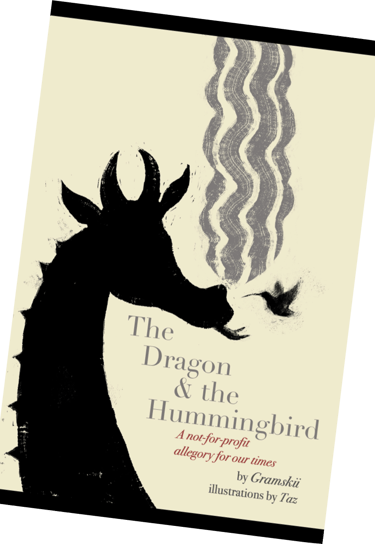
We won't change the climate if we don't change minds
Wake Someone Up to the Climate Crisis
This book is free. No ads. No paywall.
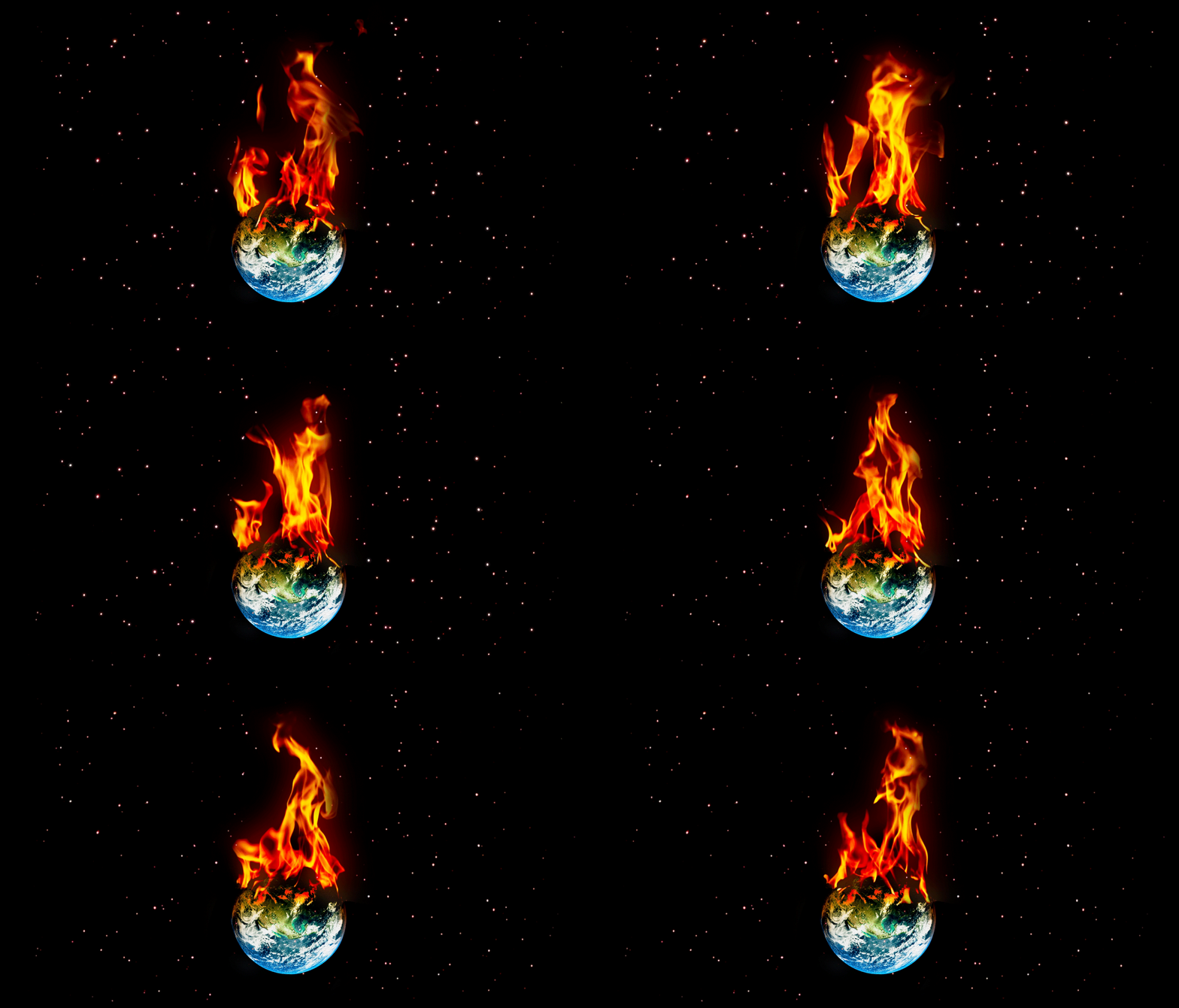
Just an honest explanation of why the planet's on fire - told as a sympathetic, amusing story instead of depressing lecture.
If you know someone who'd be interested, or needs a little bit of a shove, please share it with them.
Themes
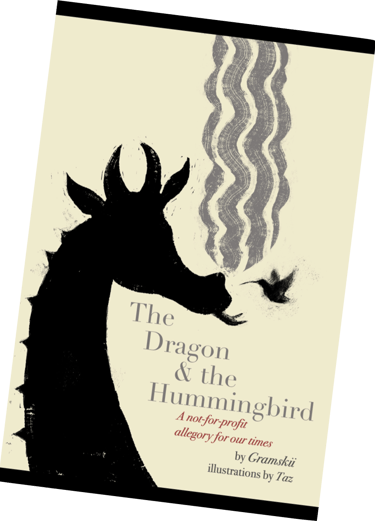
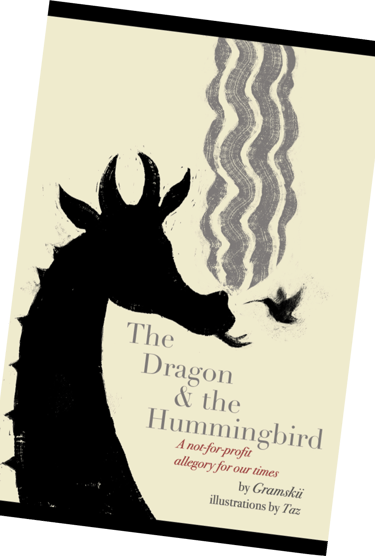
The Dragon & The Hummingbird is a conversation starter packaged like a cult satire or allegorical thriller, offering entertainment with intellectual depth.
Tone: Witty, humane, and emotionally grounded—a satire with heart and substance.
Distribution Ethos: Independent, ethical, and grassroots—avoiding Amazon and other corporations.
Web Presence: Interactive and visually playful, inviting readers to read, download, and share.
Audience
The book was written with a specific audience in mind.
Cynical or fatigued by politics, capitalism, and climate doom.
Fans of Succession, Black Mirror, or Don't Look Up.
People who see the system's absurdities but feel trapped within it—professionals, thinkers, and disillusioned progressives.
Readers drawn to fiction that combines satire, story, and philosophy.
What's Inside
The book is carefully crafted to educate and inspire action, making complex climate science accessible to everyone.
Evidence-based climate science explained clearly.
Compelling narrative that engages skeptics.
Real-world examples and case studies.
Actionable steps for individual impact.
Beautiful illustrations and infographics.
Perfect for gift-giving to spark awareness.
“I can’t remember when I last read a book from cover to metaphorical cover – with a small break for sleep before the final chapter. A super exposition, with a nice fairytale to set off with. A massive Satyagraha (spelling?) is required, and if this helps to stimulate it, good on you!” Roderick White, Magazine Editor
"Finally, a book that bridges the gap between scientific facts and emotional understanding. Perfect for reaching those who need to hear this message." Loren Grogan, Restaurant Owner
“Who wants to read about the inconvenient truth? I must admit, I didn’t. But fear not! Graham Hall has found the sweet spot. The Dragon and the Hummingbird sit at the intersection of a fascinating Venn diagram—where history, data, humour and hope converge. Because climate change issues are many and complex, it’s easy to feel overwhelmed. Reading this book reawakened my conscience. I feel alert to the politics of greed and failures of capitalism (and for someone who tunes out the news this is quite an achievement). Packed with information, delightfully accessible and never preachy, this is a book for everyone. Read it, feel inspired, take action.” Stephen Mirfin, Photographer

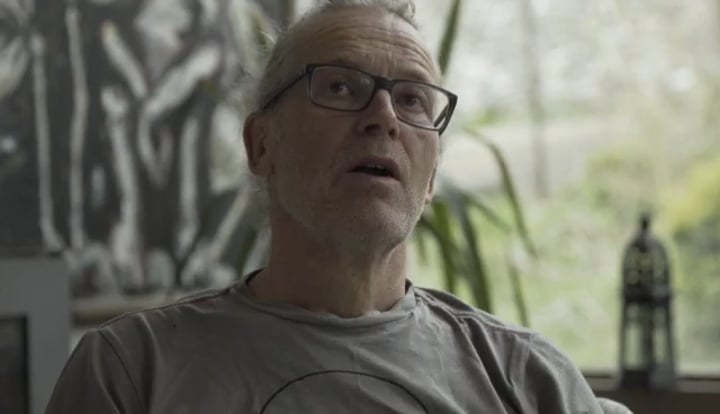
What readers say
AKA Graham Hall
Former advertising exec turned climate storyteller.
I spent 30 years in advertising encouraging people to buy way too much stuff they didn't need. Looking back, I feel guilty about that, so I wrote this book as a sort of apology.
It took three years to write, and what I discovered surprised me. I didn't write it to make a profit—the world is in a mess and I wanted to do my bit and be more hummingbird.
Since The Dragon & the Hummingbird criticises the billionaires and Big Tech companies relentlessly. Outfits like Amazon, that treat the planet like some sort of disposable commodity, I could hardly use Amazon to distribute this book. Instead I'm distributing it for free digitally and through independent book retailers committed to fair trade and sustainable publishing.
Also, rather than paid advertising, I'm relying on word-of-mouth to spread the word. So please help out if you can :-)
Remember kids -
Word of mouth is the antidote to the algorithm.
Many thanks, Peace, love, etc.
Graham / Gramskii
February 2024




About Gramskii
...or better still